
Ski Mountaineering (Skimo): A Beginner’s Guide to Gear, Safety & Your First Tour

Key Takeaways
Skimo = climb + transition + ski down. You ascend on skins, switch your setup, and descend through natural terrain.
Start small. Build strong resort fundamentals, get avalanche education, and choose mellow, low-angle routes first.
Pack for independence. Beacon, probe, shovel, layers, food/water—and the right skis, boots, skins, and bindings.
What Exactly Is Ski Mountaineering?
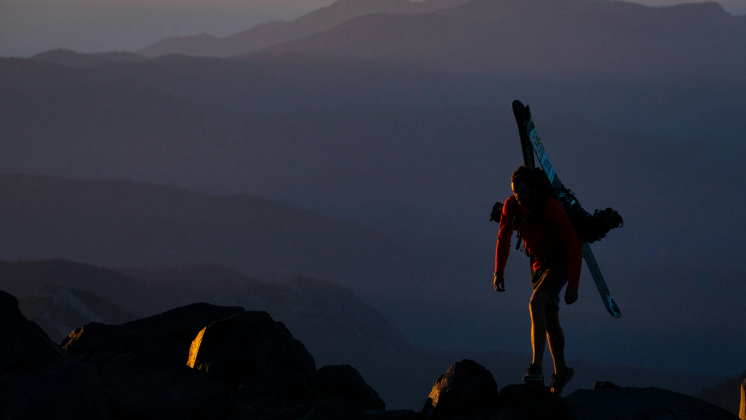
Ski mountaineering—often called skimo—is backcountry travel on skis with a mountaineer’s mindset. You’ll climb under your own power, manage transitions efficiently, and read the terrain like a navigator. The reward is simple and unbeatable: solitude, freedom, and snow few people ever touch.
Who Is It For?
If you’re comfortable on varied resort snow and curious about wild places, skimo is a natural next step. It favors patience over bravado—steady pacing on the climb, clean technique on the descent, and smart decisions when the weather shifts. Fitness helps, but judgment is the superpower that keeps the day fun.
Build the Base: Resort Skills First
Before you venture beyond the ropes, polish the basics on-piste: link turns smoothly, manage speed in choppy snow, and stay balanced when conditions change. Consider a coaching session or join a local club to pressure-test your technique in a lower-risk environment. The confidence you build on groomers pays off when your line is a blank canvas.
The Essential Skimo Kit (Beginner Checklist)
Ski setup
Touring skis matched to your weight/terrain
Tech or hybrid bindings that lock for downhill and pivot for the climb
Climbing skins (fit to your ski length/width)
Touring boots with walk mode and rockered soles
Safety & mountain tools
Avalanche beacon, probe, shovel (practice until it’s automatic)
Helmet, and for more technical routes: harness and crampons
Navigation (map/compass/GPS) and a charged phone or radio
Clothing & carry
Breathable layering system (wool/synthetic base, insulating mid, weatherproof shell)
Gloves (thin for the climb, warm pair for the descent), goggles & sunglasses
Food and water (plus a thermos—game-changer on cold days)
Repair & first-aid mini-kits
Bringing a camera? Backcountry terrain creates cinematic moments—wind-carved ridges, glittering bowls, and sweeping couloirs. Action cameras with solid stabilization and hands-free mounts are perfect for capturing both skin track and descent.
Safety First: Avalanche Awareness & Decision-Making
Most incidents in the backcountry trace to human factors—rushing, groupthink, summit fever. Get formal training, learn to read the bulletin, and practice your rescue system regularly. Even a “small” slide can be serious in the wrong terrain. If conditions or group energy feel off, choose a conservative objective—or call it. Your ego can wait; the mountain isn’t going anywhere.
Fitness That Matters on Snow
Uphill days demand endurance, leg strength, and core stability. Prioritize zone-2 cardio, step-ups/lunges for climbing strength, and balance drills. Good fitness keeps your brain sharp for route-finding when the weather shifts or the snow turns tricky.
Your First Route: When & Where to Start
Season: Many beginners prefer spring for longer days and generally more stable snowpacks. Early winter can work if you choose very mellow terrain and the avalanche bulletin looks favorable.
Terrain: Pick low-angle tours with gradual elevation gain and clear escape options.
Intel: Check the avalanche forecast, weather, and recent trip reports before you go. If anything doesn’t add up, downshift your plan.
Go With a Guide or Mentor
Nothing accelerates learning like time with a certified guide or experienced partners. They’ll help you read the snowpack, pace transitions, and choose lines that make sense for the day’s conditions—not for social media.
How to Film Your Skimo Day (Hands-Free Tips)
Mount smart. A chest or helmet mount frees your hands during kick turns and transitions.
Think in sequences. Capture the climb, the transition, and the descent for a complete story.
Protect batteries. Keep spares warm inside your jacket; cold zaps runtime quickly.
Sample First-Day Game Plan
Objective: A short, low-angle loop you’ve researched in advance.
Team: Two to four people with compatible pace and training.
Check: Read the morning avalanche bulletin and weather; set a turnaround time.
Tour: Practice smooth kick turns, quick skin removal, and tidy transitions.
Debrief: What worked? What will you change next time?
FAQs
How do I start?
Get comfortable on resort snow, book an avalanche awareness course, and plan a mellow intro tour with an experienced partner or guide.
How does skimo “flow” work?
You climb on skins (heels free), transition at the top (skins off, bindings to downhill), then ski your chosen line. Rinse and repeat as your route requires.
Is it dangerous?
It has objective hazards—avalanches, weather, terrain traps—that you manage through education, conservative choices, and solid group communication.
Final Word
Ski mountaineering rewards patience and preparation with the kind of descents you’ll remember for years. Start small, learn steadily, and keep safety at the heart of your plan. When you’re ready, the mountains will be too.
Recommended

Insta360 Third-Person Backpack Mount - backpack holder with a carbon boom

Insta360 Ski Pole Mount | innovative attachment for a ski pole and a motorcycle

Insta360 The Back Bar | reinforced version Enhanced Waist Strap | hip belt with metal attachment for Insta360 X4/X3/X2/GO 3S/Ace Pro/Ace Pro 2 cameras

Insta360 X4 Ski Bundle
