
Insta360 Luna Ultra reviewed by Telepolis
9/10 from Telepolis. That is the score Insta360 Luna Ultra received in Paweł Winiarski’s review, published on 21 October. Its detachable screen with a built-in microphone, dual lenses and video capabilities were among its biggest strengths. For anyone considering a camera from the DJI Osmo Pocket range, that is a good reason to take a closer look at Luna too.
To us, the more interesting question is not “How many features does this camera have?”, but “What will it make easier for you?” Let’s explore the features that can change how you film your travels, product presentations and everyday stories.
Read the written Insta360 Luna Ultra review on Telepolis (in Polish)
A screen that joins you in front of the camera
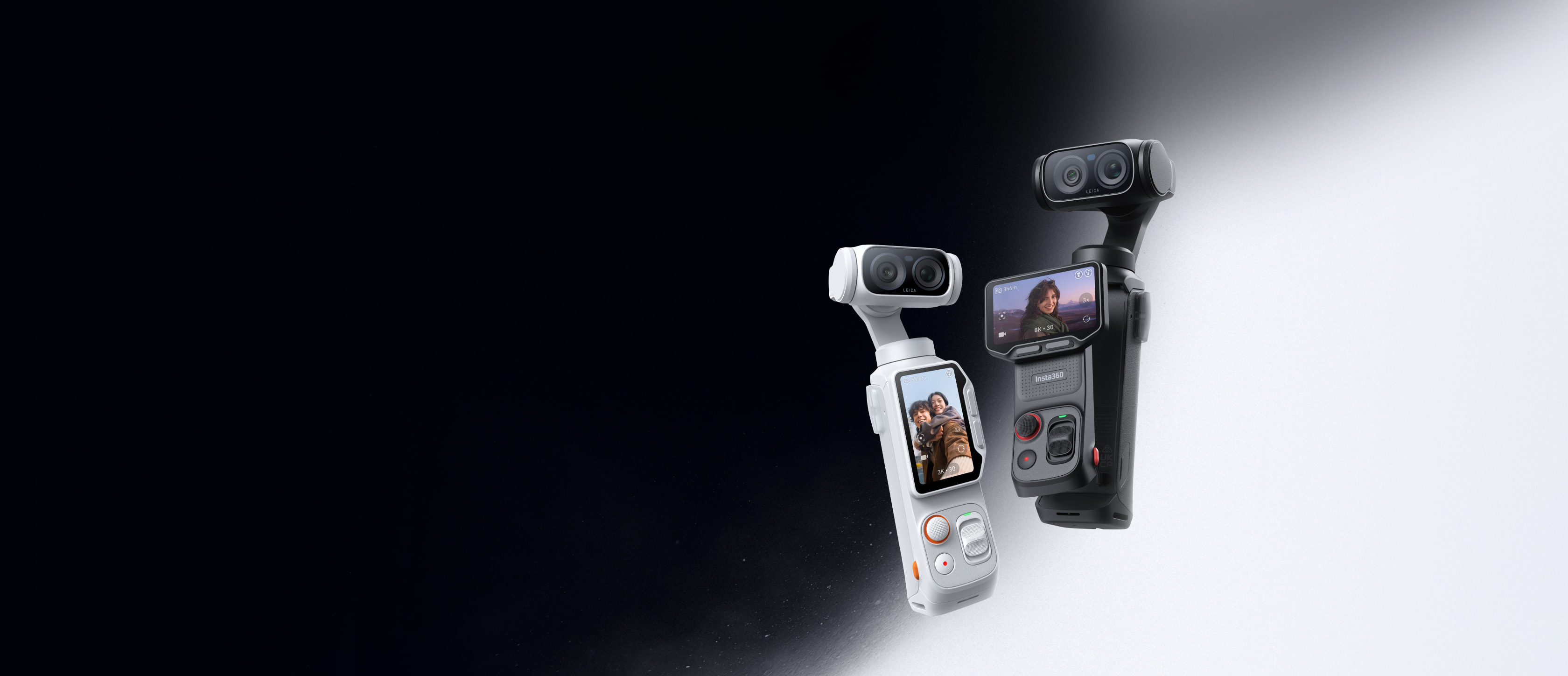
The Telepolis review includes a telling subheading, which translates as “A camera designed with me in mind”. The detachable screen helps explain that feeling. Once detached, the two-inch OLED panel lets you check your framing, adjust settings, control the gimbal, and start and stop recording. It also has its own microphone.
Imagine presenting a product at a table. You set up the camera, take your place and then assess the composition. Are your hands in the frame? Is the packaging blocking your face? The preview is right there with you. There is no need to guess what the shot looks like from the other side of the lens.
This is exactly the kind of scenario worth considering when choosing equipment for filming on your own. It is not about having another screen. It is about composing your shot deliberately from the position where you will actually appear in the video.
Two lenses, more ways to tell your story
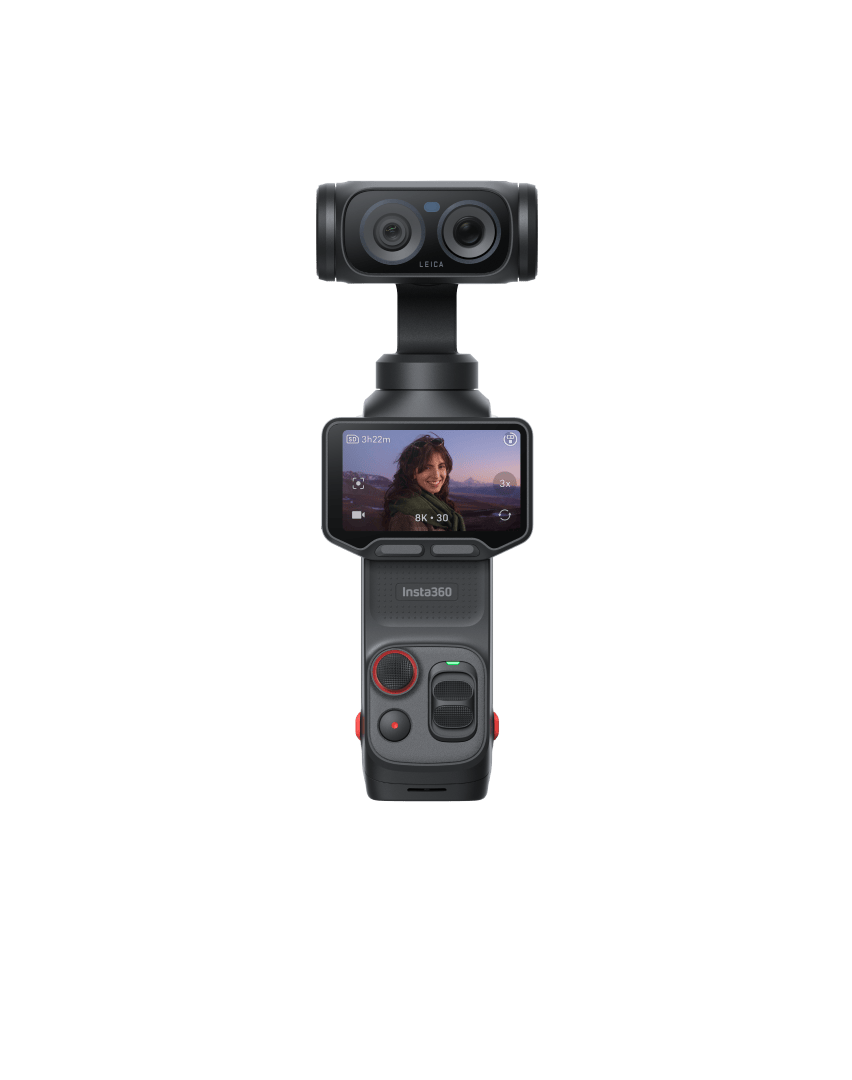
Luna Ultra pairs a wide-angle lens with a 20 mm equivalent focal length with a 60 mm equivalent telephoto lens. The first uses a 1-inch sensor, the second a 1/1.3-inch sensor. These are two imaging modules, not simply digital magnification of a single view.
Here is a simple idea for a sequence: show the location, then a person, then a detail. A town square, someone you are interviewing, a detail of their craft. The wide shot establishes context; the tighter shot directs attention. Plan a change of framing as part of your story, not just a way to bring the subject closer.
One distinction matters here: switching between the 20 and 60 mm lenses does not mean continuous optical zoom across the full range of available magnification.
8K for room to reframe. 4K for capturing motion
Your options include 8K at up to 30 fps, 4K at up to 120 fps and vertical 4K at up to 30 fps . Dolby Vision and 10-bit I-Log are also available. These are different tools for different tasks — not a reason to shoot everything with the same settings.
Planning to refine your composition in the edit? Consider recording at a higher resolution. Need slow motion? Pay attention to the frame rate. Creating a vertical video? Compose your shot for its intended aspect ratio from the start. The best setting is the one that suits the shot you have planned.
This is also a more useful starting point for a comparison with the Pocket range than declaring one brand the overall winner. Compare specific models, recording modes and your own needs. With Luna, it is worth considering the entire filming experience, not just the pixel count.
47 GB of storage, ready when you need it
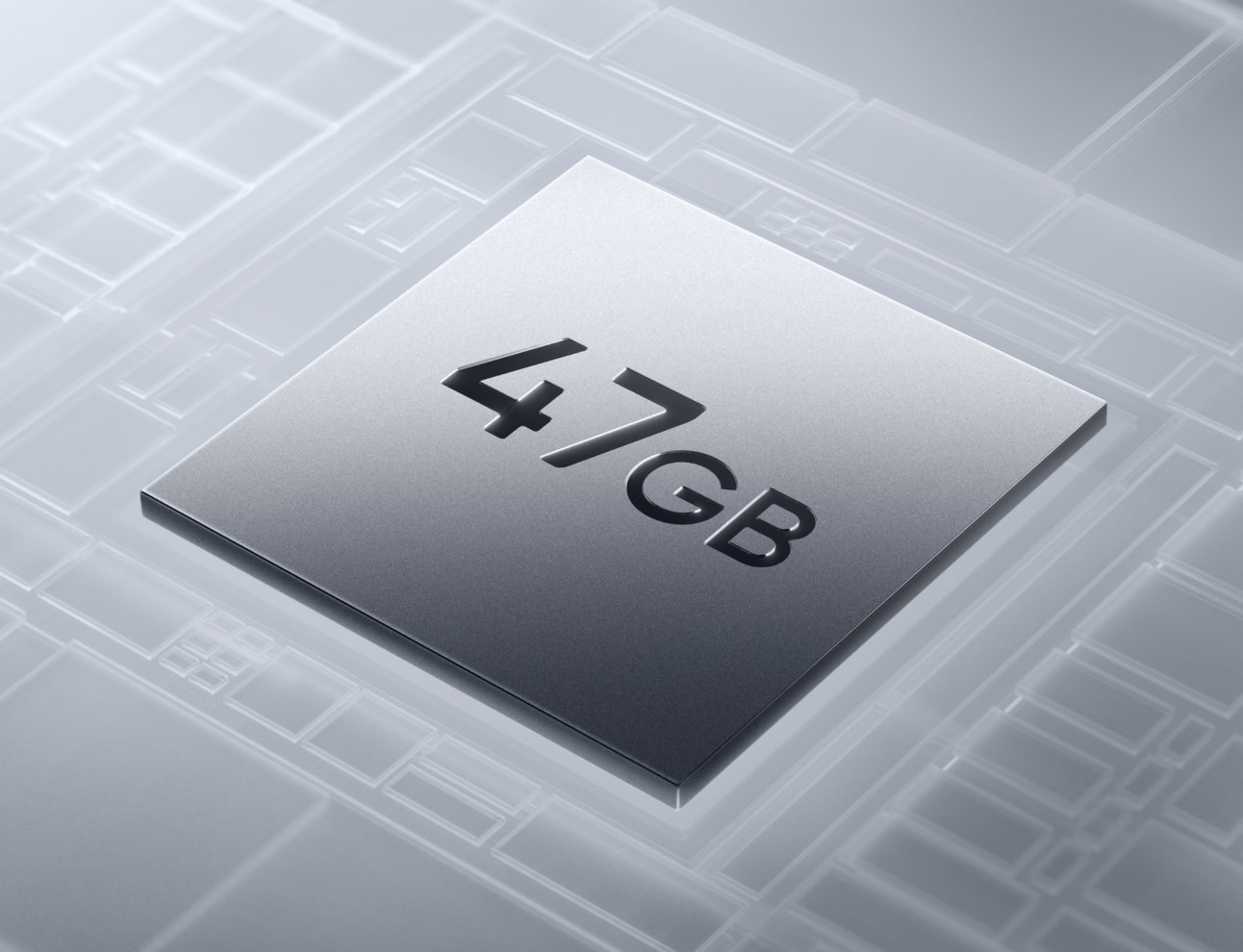
Luna Ultra has 47 GB of internal storage and can record without a memory card installed. This practical feature also made the list of strengths in the Telepolis review.
Imagine leaving your card in your computer’s card reader just before heading out. In that situation, available internal storage could save your shoot. Do not treat it as an automatic backup, though: after recording, make sure you still copy your footage to a second location.
The first trip is just the beginning
The camera reached the reviewer just before a trip, and he learned to use it while travelling. The short test did not cover all of Luna’s capabilities. That context matters: the camera earned a very high score during those first experiences , before the reviewer had explored its full potential.
You do not need to master every setting to start creating. It is better to choose one idea for a video and gradually discover the tools that help you bring it to life. A camera should make storytelling easier, not turn every trip into an exercise in studying menus.
Our suggestion for your first test
Film a short scene: first show the location, then yourself or someone you are talking to, and finally an interesting detail. Before filming yourself, check the composition on the detached screen. When you watch the finished sequence, judge it not by how many features you used, but by whether the shots come together to tell a clear story.
You can compare the technical details and available features in the Insta360 Luna Ultra specifications. The detachable panel’s functionality is also covered in Insta360’s article on the features earning praise from reviewers.
A high score is the start. The rest is up to you
9/10 from Telepolis is a strong start. What matters most to us, though, is what you do with that potential: compose a thoughtful shot, highlight an important detail and build a story people want to watch.
When considering Luna Ultra, start with the way you plan to film. If you value control over framing even when you are in front of the lens, along with the freedom to switch between wide and tighter shots, these are the Luna features worth trying first.


